Asphalt Shingles: What Homeowners Should Know

Choosing asphalt shingles involves more than finding a color you like. The style, product specifications, roof shape, underlying components, and written installation scope all belong in the decision.

This guide helps Long Beach homeowners understand asphalt roof shingles, compare the main styles, and prepare useful questions before discussing a project. Start with the material basics, then use the checklist to clarify what a provider is proposing for your property.

RoofReplacementLongBeach.com is an informational roofing resource. It does not personally inspect roofs, provide estimates, sell shingles, or perform roofing services.

This guide is educational only. It is not a roof inspection, product recommendation, code determination, estimate, or guarantee that a roofing material is suitable for your property.

What Are Asphalt Shingles?

Asphalt shingles are individual roof coverings installed in overlapping courses. Many modern products combine a fiberglass reinforcing mat, asphalt, and a surface of mineral granules. The granules contribute color and help protect the asphalt from sunlight. The Asphalt Roofing Manufacturers Association's system overview explains these basic materials.

“Asphalt” describes the material family; it does not identify one exact product. Shingles within that family can have different profiles, specifications, installation instructions, and warranty terms. Ask for the proposed manufacturer and product line rather than accepting a description such as “new roof shingles.”

Focus on whether the particular product and complete installation scope make sense for your roof.

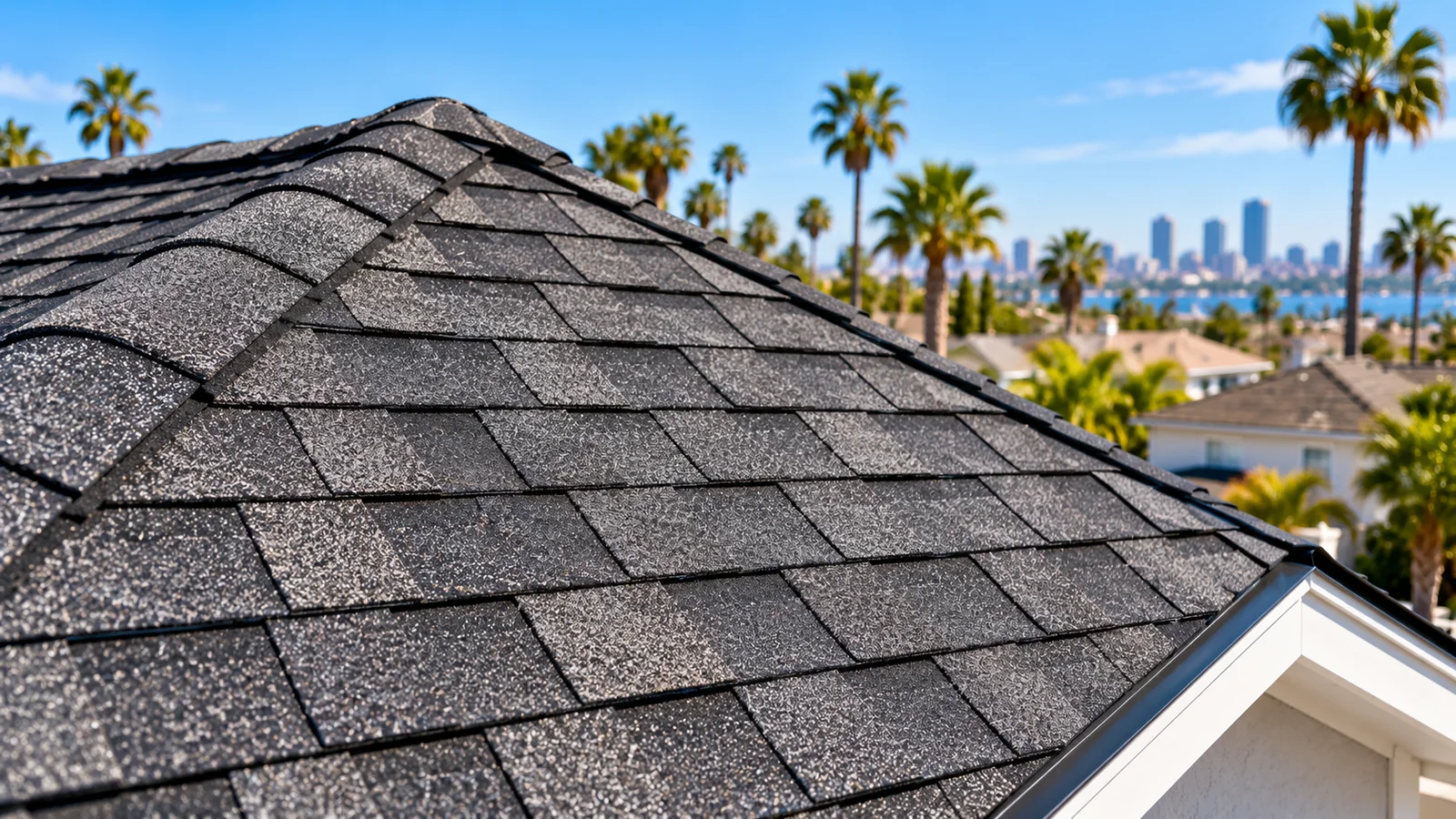
Illustrative view of an asphalt shingle roof

Illustrative roof image, not a documented local project.

Compare the Main Asphalt Shingle Styles

Three labels you may encounter are 3-tab, architectural, and premium or designer. Use them to understand appearance and product categories, then compare the exact products proposed. The ARMA overview of asphalt roofing types distinguishes strip shingles from layered, laminated shingles.

3-Tab Asphalt Shingles
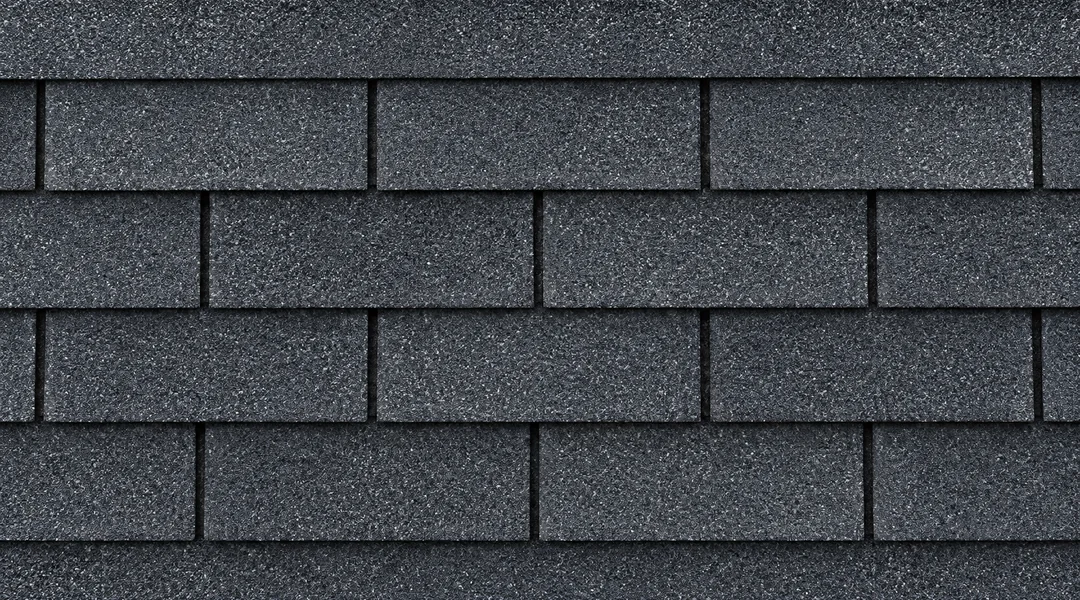
Conceptual 3-tab repeating shingle pattern

Illustrative pattern; compare the exact product.

Traditional 3-tab shingles have cutouts that produce a repeating pattern with a relatively flat appearance. They are a type of strip shingle.

If you are discussing a repair to an existing 3-tab roof or a proposed replacement, ask which matching or replacement products are actually available. Do not assume the same style, color, or product line can still be obtained.
Architectural Asphalt Shingles

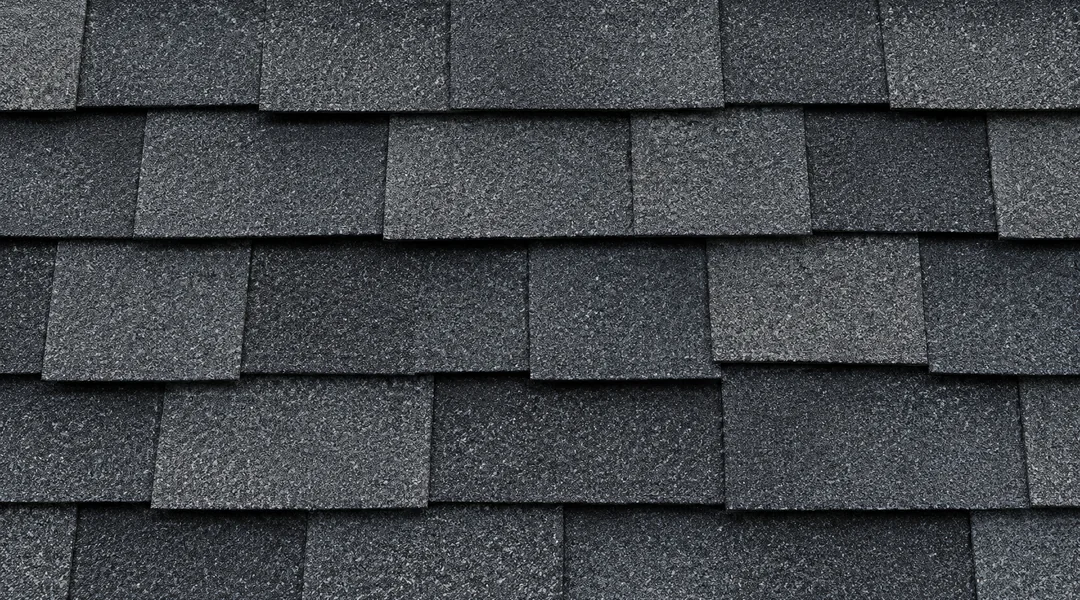
Conceptual architectural layered shingle pattern

Illustrative pattern; compare the exact product.

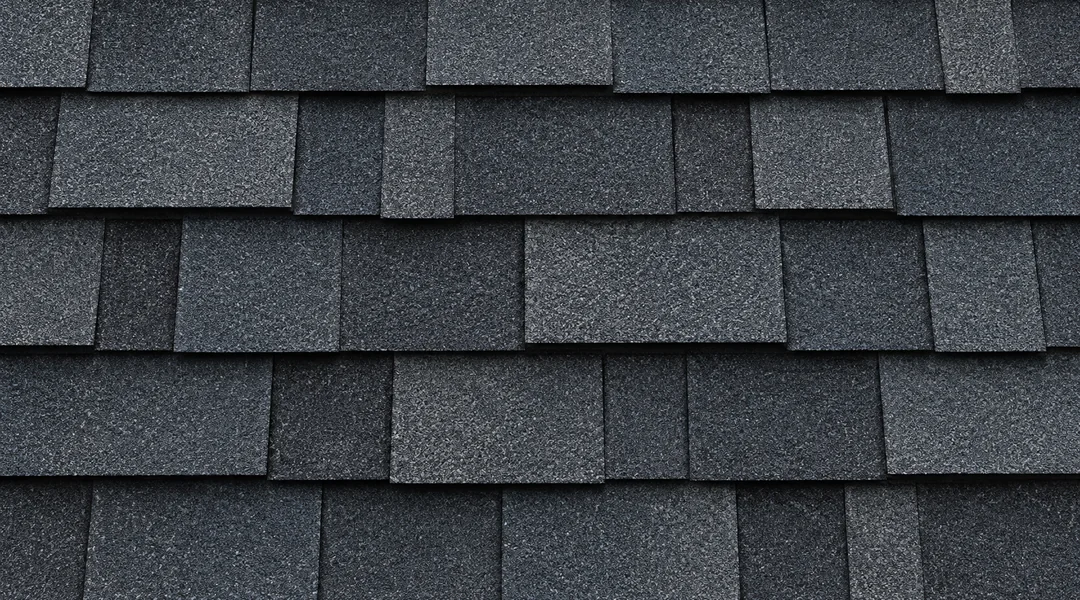
Architectural shingles are also called laminated or dimensional shingles. Their layered construction creates more visual depth than a traditional flat strip-shingle pattern.

The category name is only a starting point. Ask how the specific product's profile, color blend, documented ratings, and installation requirements differ from the other option in your estimate.

Premium or Designer Asphalt Shingles

Conceptual designer shake-like shingle pattern

Illustrative pattern; compare the exact product.

Premium or designer products emphasize distinctive profiles or color effects; some imitate the appearance of shake or slate. “Premium” is not a universal performance specification.

Ask what you are paying for in the particular proposal: the appearance, a documented product feature, different accessories, or a different warranty option. Avoid treating the label as a promise of longer service life or better results on every property.

The Shingles Are Only One Part of the Roof

An asphalt shingle roof includes layers and details you may not see from the street. A product choice should be discussed alongside the rest of the proposed assembly. GAF's explanation of roof components illustrates how shingles and supporting parts fit together; it is a manufacturer reference, not an endorsement by this website.

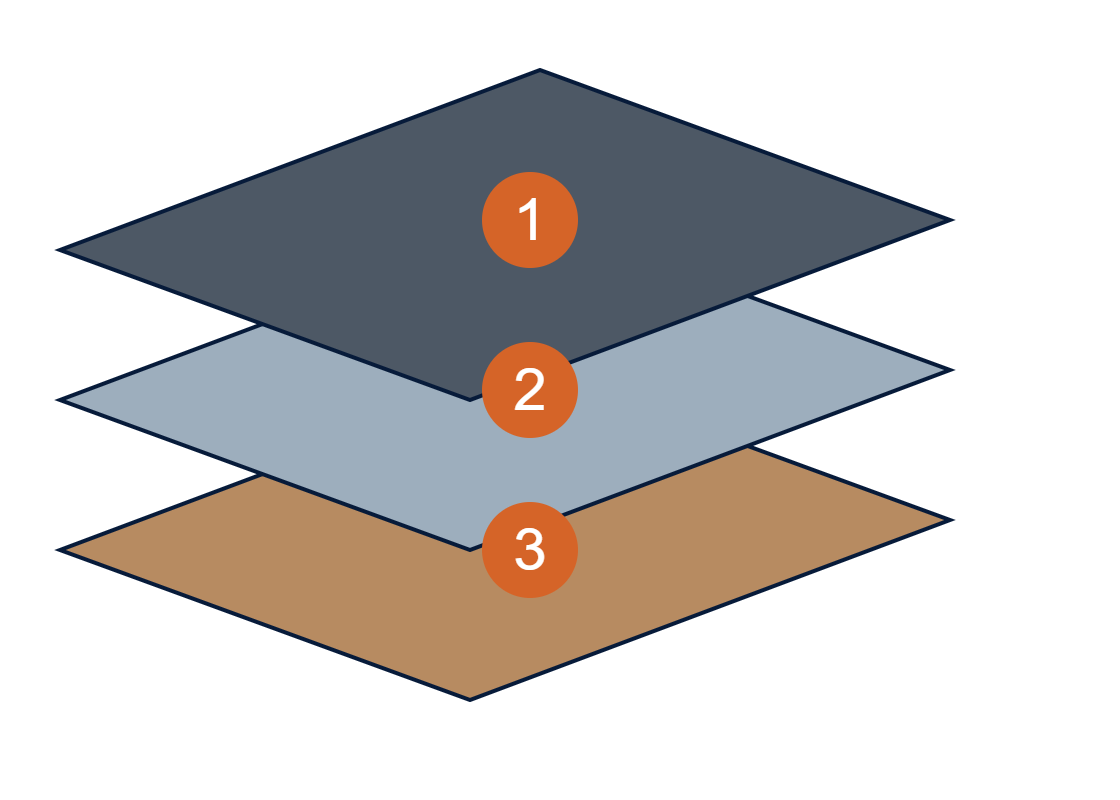
Conceptual roof layers: shingles above underlayment above the roof deck

1. Shingles

2. Underlayment

3. Roof deck

Simplified layer illustration, not an installation specification. Other roof details are listed below.

Common parts to identify in a written scope include:

1

Roof deck: the surface that supports the roof covering.

2

Underlayment: a layer between the deck and shingles.

3

Starter products: components used at the starting edges of the shingle installation.

4

Hip and ridge pieces: coverings for those roof junctions.

5

Flashing: details at transitions, penetrations, and vulnerable intersections.

6

Ventilation: the proposed intake and exhaust arrangement where applicable.

7

Fasteners and other accessories: specified parts used with the selected system.

Ask which existing parts will remain, which will be replaced, and how the provider will assess their condition. “Architectural shingles included” does not answer those questions on its own.

If two proposals name the same roofing shingles but list different supporting work, they may represent different projects. Compare the scope before treating the final amounts as equivalent.

Does the Product Fit Your Actual Roof?

A material discussion should begin with the building. Tell the provider whether the roof has several slopes, an addition, a garage, skylights, rooftop equipment, or different existing surfaces. You can say “not sure” when a detail is unknown.

Ask the provider to explain:

1

Which roof sections are included in the asphalt shingle proposal?

2

What are the measured slopes, and how do they relate to the product's instructions?

3

Are any low-slope sections being evaluated separately?

4

What deck condition or existing layers need to be checked?

5

How will drainage, ventilation, and roof transitions be addressed?

6

Which conditions cannot be confirmed until existing materials are removed?

A shingle main roof and a flat-looking addition should not be treated as one undifferentiated surface. Ask for a separate explanation of each section and the connection between them.

This guide does not determine suitability from a photograph, roof age, neighborhood, or product category. A qualified provider needs to evaluate the property and applicable requirements.

Compare Appearance Without Losing Sight of the Scope

Bring a short list of visual preferences: a flatter or more dimensional profile, a restrained color blend, or a look that works with the siding and trim. If an HOA or historic-property review may apply, identify that before treating a color or style as settled.

Ask to see the exact product's physical sample and available color information. Check whether photographs show the same product line and color you are considering. A picture labeled “asphalt roof” does not establish the specification for your project.

Keep the appearance discussion separate from documented performance and installation requirements. A color preference is useful; it is not a substitute for confirming that the proposed assembly is appropriate.

Product Ratings and Warranties: Ask for the Documents

Brochures may describe wind, impact, fire, algae, or solar-reflectance features. Ask which statements apply to the exact product, which relate to a tested assembly, and which depend on installation conditions. Do not use a headline rating as a prediction of your roof's performance.

Have the provider identify the relevant documents and answer:

1

What is the exact product name, and where can I read its specifications?

2

Which installation instructions apply to this roof and scope?

3

What supporting components are required for the proposed warranty option?

4

What does the material warranty cover, exclude, or limit?

5

Is there a separate workmanship warranty, and who provides it?

6

What maintenance, registration, transfer, or documentation conditions should I understand?

Read the actual warranty rather than relying on a product nickname or a broad “lifetime” statement. Ask for clarification of terms you do not understand before signing. This website does not verify a provider's warranty promises or guarantee coverage.

Long Beach Material and Permit Questions

Prepare questions about the actual property rather than assuming all Long Beach homes have identical needs. You may want to discuss sun exposure, nearby coastal conditions, drainage, roof transitions, HOA documents, or a possible historic designation. Ask what the provider has evaluated and what still requires confirmation.

The City of Long Beach Permit Center provides official building-permit resources. Ask who will confirm applicable requirements, handle any required permits, arrange inspections, and supply closeout documents. A neighborhood name alone does not establish the answer.

California's 2025 Energy Code applies to permit applications submitted on or after January 1, 2026. Ask whether cool-roof or other energy requirements affect the specific replacement scope and proposed product. This page does not assign a climate zone, reflectance threshold, or code-compliance result to your property.

Understand the Replacement Proposal Before Comparing Price

For a planned asphalt roof replacement, ask what the work includes beyond the new shingles. A useful conversation separates the material selection from removal, concealed-condition questions, installation details, and project closeout.

Clarify these items in the written proposal:

1

The product line, color, and roof areas included.

2

Whether removal of existing materials is included and what assumptions have been made about existing layers.

3

How deck concerns will be documented and additional work approved.

4

The proposed underlayment, flashing, edge, ridge, and ventilation work.

5

Permit responsibilities, disposal, property protection, and cleanup.

6

Exclusions, warranty documents, and the process for scope changes.

Compare what each proposal includes before comparing the final amounts. No shingle price, online figure, or example project establishes the installed price for your roof.

Roof Age and Visible Problems Are Separate Questions

Choosing a shingle style does not establish whether an existing roof needs replacement. If you are researching because of a leak, missing shingles, or a previous repair, describe the observation and its history before choosing a product.

Ask whether the provider will evaluate the existing roof and explain repair and replacement options. A warranty label does not establish how much useful life remains in an installed roof, and this guide does not diagnose roof condition online.

Keep your inquiry specific: “I want to understand whether this problem can be repaired” is a different starting point from “I am planning a replacement and comparing asphalt shingle styles.” Both are useful questions.

Prepare Your Asphalt Shingle Question

You do not need an exact measurement or a selected product to begin a general inquiry. Gather the property's ZIP code, building type, current material if known, the concern or project you are researching, and what you want to understand next.

For example:

“I own a one-story home in Long Beach and am researching a planned roof replacement. The main roof appears to have asphalt shingles, and the rear addition has a lower slope. I would like to understand which shingle styles could be considered, what needs to be evaluated first, and how the proposed work would be described for each roof section.”

This is an illustrative question, not an actual customer project or property assessment. Use “not sure” for unknown details. Mention available photos only if they were taken safely; do not climb onto a roof to identify shingles or take pictures.

Asphalt Shingle FAQs

Are Architectural Shingles Different From Asphalt Shingles?

Architectural shingles are a style within the asphalt shingle family. “Architectural,” “laminated,” and “dimensional” are commonly used for that layered style. Ask for the exact product line to make a useful comparison.

Is a Premium Asphalt Shingle Automatically the Best Choice?

No category label settles the decision. Compare the actual product, appearance, roof suitability, supporting components, installation requirements, scope, and warranty documents. Ask the provider to explain the reasons for the proposal.

Can Every Roof Section Use the Same Shingles?

Do not assume so. Describe additions and different slopes, and ask how each section will be evaluated against product instructions and applicable requirements. The proposed connection between different roof systems should also be explained.

Does Choosing a Shingle Also Choose the Underlayment and Flashing?

Not by itself. Ask the provider to identify those parts in the scope, including what will be replaced or retained. A general material label is not a complete installation proposal.

Does a Warranty Tell Me How Long My Existing Roof Will Last?

No. Warranty terms and an existing roof's remaining condition are different questions. Have a qualified provider evaluate the roof and explain any relevant warranty terms separately. No lifespan is guaranteed here.

Can This Website Recommend a Product or Sell Me Shingles?

RoofReplacementLongBeach.com provides educational information. It does not personally inspect roofs, determine product suitability, sell shingles, or verify provider proposals. Purchasing questions belong with the seller; property-specific recommendations require an appropriate assessment.

Do I Need to Know the Roof's Age Before Sending a Question?

No. Include it if known, or say “not sure.” Explain the concern or planned project and what you want to understand. Do not guess an installation date or concealed condition to complete an inquiry.

Ask About Asphalt Shingle Options for Your Roof

Share the details you know and the decision you are trying to make. The existing contact page explains the available inquiry method and consent information; review those details before submitting personal information.

RoofReplacementLongBeach.com does not personally perform roofing services. Submitting an inquiry does not guarantee service availability, a provider match, a quote, an inspection, or any project outcome.

A website inquiry is not an emergency response channel. For urgent water intrusion or active danger, contact appropriate property professionals, qualified providers, or emergency services directly.