Your roof is one of the most important parts of your home, protecting your family and property from rain, wind, sunlight, and other environmental elements. Whether you are building a new house or replacing an aging roof, understanding roof installation can help you make informed decisions, manage your budget, and choose the right materials for long-term performance. For homeowners in California, selecting a roof that can withstand local weather conditions while improving energy efficiency is especially important.
At RoofReplacementLongBeach, we believe every homeowner should understand the roofing process before starting a project. This guide covers roofing materials, estimated costs, installation steps, and essential maintenance tips to help you plan your next roofing project with confidence.
1. Understanding the Importance of Roof Installation
A professionally installed roof provides more than basic protection. It helps prevent water intrusion, improves indoor comfort, supports energy efficiency, and enhances your property’s appearance. Poor workmanship or unsuitable materials can lead to leaks, structural damage, and expensive repairs.
Proper roof installation begins with an inspection of the existing structure, an evaluation of drainage requirements, and a careful selection of roofing materials. California homeowners should also consider local building codes, permit requirements, coastal conditions, and applicable fire-safety standards before beginning construction.
Working with an experienced roofing contractor can help ensure that your roof is installed correctly and meets the requirements for your property.
2. Choosing the Right Roofing Materials
The best roofing material depends on your budget, architectural style, maintenance preferences, and the climate where you live. Here are four popular options for California homes.
Asphalt Shingles
Asphalt shingles are among the most affordable and widely used roofing materials. They come in various colors and styles, making them suitable for many residential properties. They are relatively easy to install and can provide dependable protection when properly maintained.
Their lifespan often ranges from 15 to 30 years, depending on product quality, installation, and environmental exposure.
Clay and Concrete Tiles
Clay roof tiles and concrete tiles are popular choices in Southern California because they complement Mediterranean and Spanish-style architecture. These materials can offer excellent durability and resistance to fire.
However, tile roofs are heavy, so the supporting structure must be capable of carrying the additional weight. Installation costs are also generally higher than those of standard asphalt shingles.
Metal Roofing
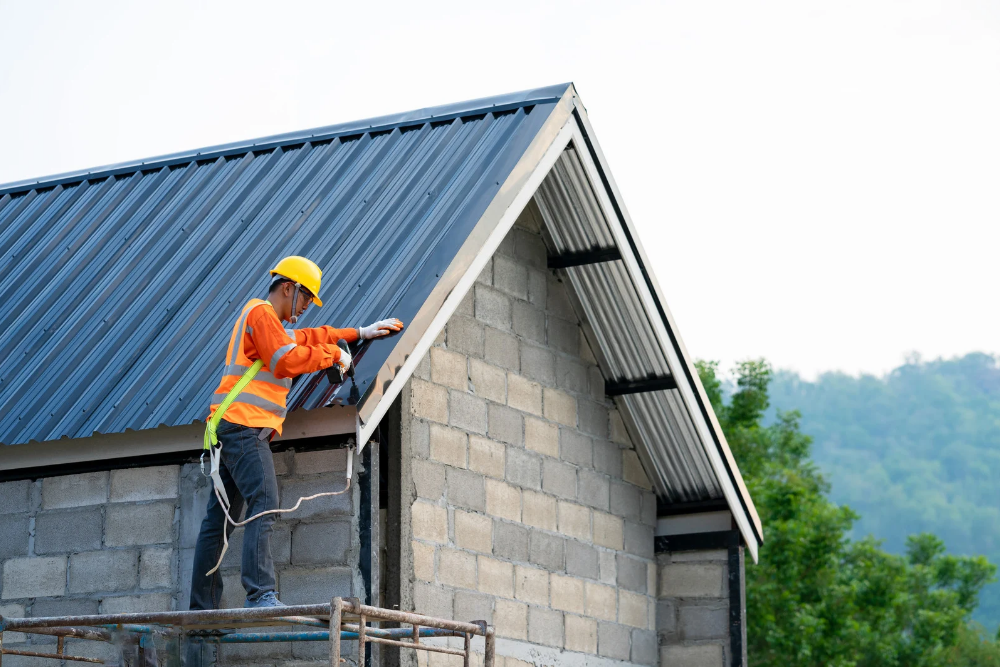
Metal roofing is valued for its durability, relatively low maintenance requirements, and potential energy-efficiency benefits. Depending on the material and system, a metal roof can last 40 to 70 years or longer.
Metal roofing can be a good long-term investment for homeowners who want a durable alternative to conventional shingles. Professional installation is important to ensure correct fastening, flashing, and weather protection.
Flat Roofing Systems
Flat roofing systems, including modified bitumen and single-ply membranes, are commonly used on flat or low-slope residential and commercial buildings. These systems require appropriate drainage and carefully sealed seams to reduce the risk of standing water and leaks.
The right system depends on roof slope, building use, local climate, and the manufacturer’s specifications.
3. How Much Does Roof Installation Cost in California?
The total cost of a roofing project varies according to roof size, material selection, labor rates, accessibility, and the condition of the existing structure.
As a general budgeting guide, homeowners may encounter the following broad installed price ranges. These are illustrative estimates rather than live quotes, and actual prices in Long Beach can differ significantly.
- Asphalt shingles: approximately 4–8 per square foot.
- Metal roofing: approximately 8–16 per square foot.
- Clay or concrete tiles: approximately 10–25 or more per square foot.
- Flat roofing systems: approximately 5–12 per square foot.
These figures refer to approximate roof surface area, not necessarily the home’s interior square footage. Complex roof designs, premium products, structural repairs, and difficult access can increase the final price.
Your roofing cost estimate should clearly identify material expenses, labor, removal and disposal of old roofing, underlayment, flashing, ventilation improvements, permits, and any necessary repairs.
To avoid unexpected expenses, request a written estimate that specifies the work included, payment schedule, warranty coverage, and potential additional charges.
4. The Step-by-Step Roof Installation Process
Understanding the installation process makes it easier to evaluate contractor proposals and monitor progress.
Step 1: Roof Inspection and Planning
The contractor examines the roof structure, measures the roof area, checks drainage, and identifies damaged decking or other concerns. Material selection, project scheduling, and permit requirements are also reviewed.
Step 2: Removing the Existing Roof
For a replacement project, the crew may remove old shingles, tiles, or other roofing materials when required. Removing the existing covering allows the contractor to inspect the underlying structure and identify hidden damage.
Step 3: Repairing the Roof Deck
The roof deck must be stable, dry, and properly secured before new materials are installed. Damaged sections may need replacement to provide a reliable foundation for the new roof.
Step 4: Installing Underlayment and Flashing
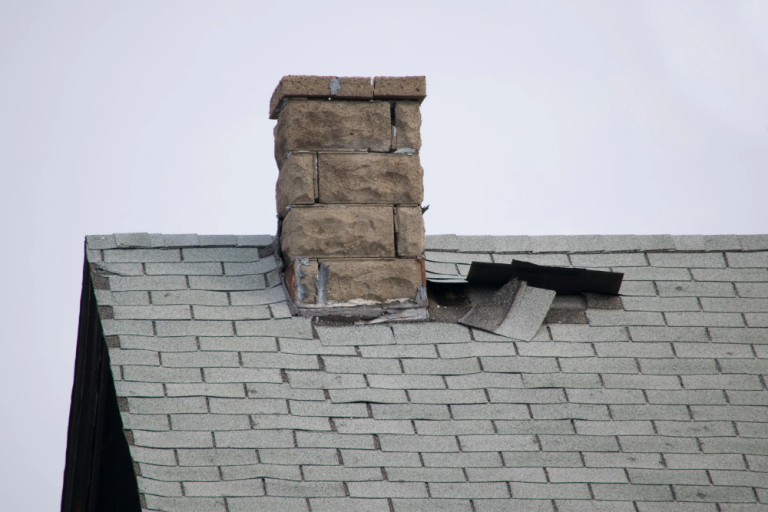
Roof underlayment provides an additional protective layer beneath the primary roofing material. Flashing is installed around vulnerable areas, including chimneys, vents, skylights, and roof intersections, to help direct water away from openings.
Step 5: Installing the Roofing Material
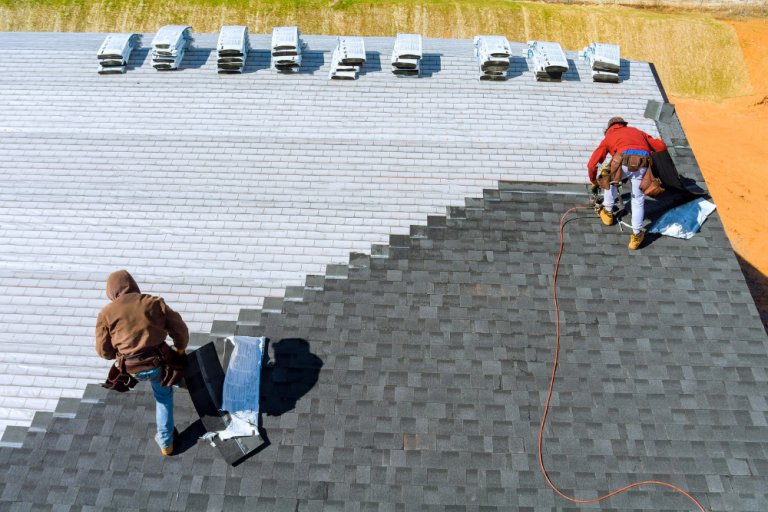
The crew installs the selected roofing material according to the manufacturer’s instructions. Correct fastening, alignment, overlaps, and edge detailing are essential for long-term performance.
A successful roof installation also requires appropriate roof ventilation to help manage heat and moisture in the attic. Ventilation requirements depend on the roof design and applicable building standards.
Step 6: Final Inspection and Cleanup
After installation, the contractor checks flashing, fasteners, drainage, and other critical details. Construction debris is removed, and the homeowner should receive relevant warranty documents and project records.
A typical residential replacement may take one to several days, although larger projects, structural repairs, weather conditions, and material availability can extend the schedule.
5. Permits, Contractors, and California Requirements
Before beginning work, check whether your project requires a building permit from your local jurisdiction. Requirements may vary depending on the scope of work, property type, and applicable regulations.
Homeowners should also confirm that the contractor holds the appropriate California license, carries suitable insurance, and provides a written contract. Ask about manufacturer warranties, workmanship guarantees, and experience with the roofing material you have selected.
In coastal communities such as Long Beach, exposure to salt air and strong sunlight may influence material selection and maintenance needs. Products should be chosen for their suitability for the property’s actual conditions.
6. Roof Maintenance Tips for Long-Term Performance
Regular maintenance helps extend roof life and identify small problems before they become expensive repairs.
- Schedule periodic professional inspections, particularly after severe weather.
- Keep gutters and downspouts clear to support proper drainage.
- Look for damaged shingles, cracked tiles, deteriorating flashing, and signs of water intrusion.
- Address leaks promptly to minimize damage to insulation, ceilings, and structural components.
- Avoid walking on roofing materials unless necessary and safe, since this can cause damage or personal injury.
Good roof maintenance can help preserve your investment and reduce the likelihood of premature replacement. Keep inspection records and follow the maintenance recommendations provided by your contractor and roofing manufacturer.
Conclusion
Choosing the right materials, understanding project expenses, and hiring a qualified contractor are essential steps toward a durable roof. From the initial inspection to the final cleanup, every stage contributes to your home’s protection, appearance, and long-term value.
With careful planning, a suitable budget, and professional workmanship, roof installation can provide dependable protection for years to come. RoofReplacementLongBeach helps homeowners understand their roofing options and plan projects that suit their property’s needs.
If you are considering a new roof or replacing an aging one, arrange a professional assessment to determine the best materials, expected costs, and installation approach for your California home.
Frequently Asked Questions (FAQs)
1. How long does roof installation take?
Most residential roofing projects take one to several days. The exact duration depends on roof size, material, weather, accessibility, and whether structural repairs are necessary.
2. What is the best roofing material for homes in California?
Asphalt shingles, clay tiles, concrete tiles, and metal roofing can all be suitable options. The best choice depends on your budget, architectural style, roof structure, local climate, and applicable building requirements.
3. How do I know when my roof needs replacement?
Common warning signs include recurring leaks, widespread shingle damage, cracked or displaced tiles, persistent moisture problems, and an aging roof nearing the end of its expected service life. A professional inspection can help determine whether repair or replacement is more appropriate.
4. Do I need a permit for roof installation in Long Beach, California?
Permit requirements depend on the specific project and current local regulations. Contact the City of Long Beach’s relevant building and safety department or ask your licensed roofing contractor to confirm which permits and inspections are required before work begins.