A leaking roof can cause serious problems for homeowners, from water stains and damaged ceilings to mold growth and costly structural repairs. Whether you notice a small drip after rainfall or a damp spot on your ceiling, addressing the problem quickly is essential. Learning how to fix roof leak issues can help you protect your property, prevent further damage, and determine when professional assistance is necessary.
For homeowners in California, changing weather conditions, coastal moisture, and aging roofing materials can contribute to roof leaks. RoofReplacementLongBeach helps homeowners understand common roofing problems and the importance of timely roof maintenance and repairs.
Common Causes of Roof Leaks
Before attempting to repair a leak, it is important to identify its source. Water can travel along roof decking, rafters, and insulation before appearing inside your home, making the actual problem difficult to locate.
1. Damaged or Missing Shingles
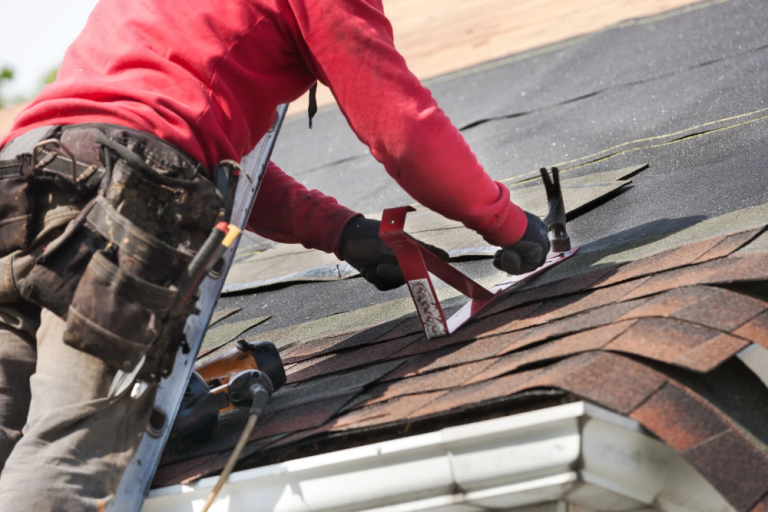
Asphalt shingles can crack, curl, loosen, or become dislodged because of strong winds, sun exposure, and aging. Damaged shingles allow rainwater to penetrate the underlying roofing materials.
Inspect visible roof areas from the ground for missing or damaged shingles. Replacing affected shingles can help restore protection and prevent additional water intrusion.
2. Cracked Roof Flashing
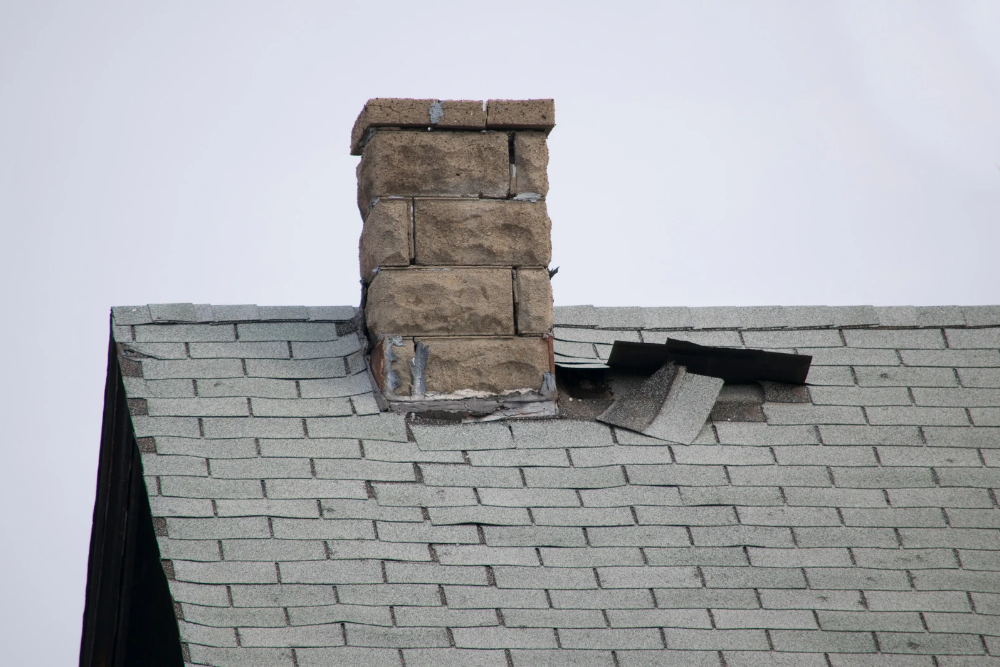
Roof flashing is installed around chimneys, vents, skylights, and other roof penetrations to prevent water from entering vulnerable joints. When flashing becomes loose, corroded, or cracked, moisture can seep beneath the roofing surface.
A professional roofer can inspect the flashing, replace damaged sections, and reseal appropriate joints to create a reliable barrier against water.
3. Clogged Gutters and Downspouts
Leaves, dirt, and debris can block gutters and prevent rainwater from draining properly. Overflowing water may collect near roof edges and enter the fascia, soffits, or surrounding building materials.
Regular gutter cleaning and checking downspouts for obstructions can reduce water-related damage and support effective drainage.
4. Worn Roof Valleys and Aging Materials
Roof valleys collect water flowing from adjoining roof slopes. Damaged valley flashing, deteriorated underlayment, or worn roofing materials can allow water to penetrate the roof structure.
Older roofs may also develop leaks because of prolonged exposure to sunlight, temperature changes, and repeated weathering.
How to Fix Roof Leak Problems Quickly
Taking prompt action can minimize interior damage while you arrange a permanent repair. However, working on a wet or steep roof is dangerous, so avoid climbing onto the roof yourself.
Step 1: Control Water Inside Your Home
Place a bucket beneath active drips and move furniture, electronics, and valuables away from the affected area. If the ceiling begins to bulge, do not stand underneath it because accumulated water may cause it to collapse.
If water reaches electrical fixtures or wiring, avoid the affected area and contact a qualified electrician when necessary.
Step 2: Locate the Likely Source
Look for ceiling stains, peeling paint, damp attic insulation, or visible moisture around roof penetrations. If it is safe to access your attic, use a flashlight to look for wet wood or water trails without touching electrical components.
Remember that the visible stain may be several feet away from the actual leak.
Step 3: Apply a Temporary Repair When Appropriate
A temporary roof repair may help limit additional water entry until a professional can complete the work. Depending on the damage, suitable temporary measures may include a properly secured waterproof tarp installed by a qualified person or an appropriate roofing sealant for a minor, accessible defect.
Avoid applying random household adhesives or sealing over unidentified damage. These measures can trap moisture and complicate permanent repairs.
Step 4: Document the Damage
Take photographs of ceiling stains, damaged belongings, and visible roof problems from safe locations. Documentation can help a roofing contractor understand the issue and may be useful if you need to contact your homeowners insurance provider.
Step 5: Schedule a Professional Inspection
If you cannot identify the source or the leak returns after a temporary repair, arrange a professional inspection. An experienced roofer can assess the underlying damage and recommend the most suitable solution.
When Should You Call a Professional Roofer?
Although minor roofing problems may appear manageable, some leaks require specialized tools, materials, and experience. Contact a qualified roofing contractor if you notice any of the following:
- Repeated leaks after rainfall or previous repairs.
- Multiple damaged shingles or deteriorating roof sections.
- Water entering around chimneys, skylights, or vents.
- Sagging ceilings, extensive water stains, or suspected structural damage.
- Mold-like growth, persistent dampness, or a musty odor.
A professional roof inspection can reveal hidden damage and help determine whether a localized repair or a larger roofing project is appropriate.
For homeowners in Long Beach and surrounding California communities, working with a local roofing professional can also help address roofing concerns associated with coastal moisture, strong sunlight, and seasonal rain.
How to Prevent Future Roof Leaks
Preventive maintenance is often less expensive than repairing extensive water damage. Consider these practical steps:
- Roof maintenance: Arrange periodic inspections to identify damaged materials before they allow water inside.
- Gutter cleaning: Remove leaves and debris regularly, especially before anticipated rainfall.
- Flashing repair: Address loose or deteriorated flashing around roof openings.
- Roof waterproofing: Maintain suitable protective roofing components and repair compromised areas promptly.
- Attic ventilation: Ensure adequate ventilation to help manage heat and moisture buildup.
Homeowners should also monitor ceilings after storms and investigate new stains immediately. Early attention can reduce the likelihood of expensive repairs.
Conclusion
Understanding how to fix roof leak problems begins with identifying the likely cause, protecting your home’s interior, and arranging the right repair. Damaged shingles, faulty flashing, clogged gutters, and aging roofing materials are common reasons water enters a property.
While simple precautions can reduce immediate damage, permanent repairs require the correct materials and a clear understanding of the roof’s condition. Avoid unsafe DIY work and seek professional help when leaks persist or structural damage is suspected.
RoofReplacementLongBeach encourages California homeowners to prioritize routine inspections, timely repairs, and proper roof maintenance. Acting early can help protect your home, preserve your roofing system, and prevent minor leaks from becoming major problems.
Frequently Asked Questions (FAQs)
1. How can I fix a roof leak temporarily?
Place a bucket beneath the leak, move valuables away from the affected area, and document the damage. A securely installed waterproof tarp may provide temporary protection, but roof access should be left to a qualified professional when conditions are unsafe.
2. What is the most common cause of a leaking roof?
Damaged or missing shingles, deteriorated flashing, clogged gutters, and aging roofing materials are common causes. The exact source depends on the roof’s age, design, materials, and exposure to weather.
3. Can I repair a roof leak myself?
Some minor issues may be manageable for experienced homeowners, but roof work involves fall hazards and the risk of hidden damage. Avoid climbing onto wet or steep surfaces and contact a professional if you are uncertain about the cause or repair method.
4. When should I replace my roof instead of repairing it?
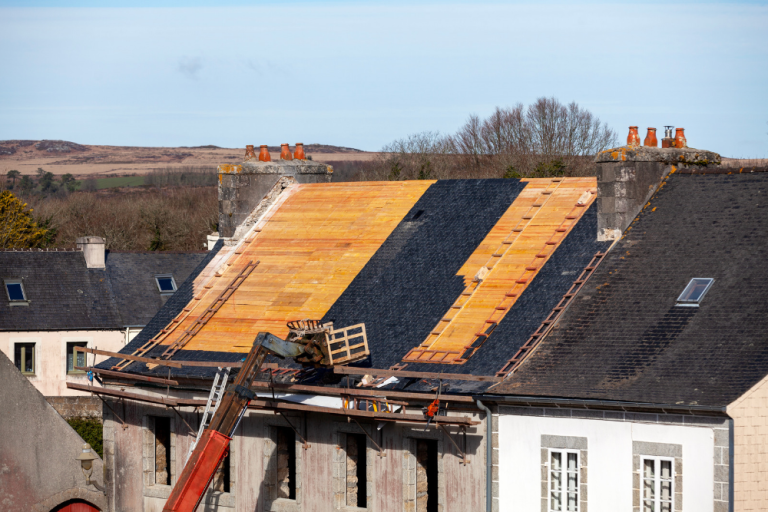
Roof replacement may be appropriate when the roof has widespread deterioration, recurring leaks, extensive structural damage, or materials approaching the end of their service life. A professional inspection can help compare repair costs with the benefits of replacement.