Your roof is one of the most important parts of your home. It protects your family, belongings, and property from rain, wind, heat, and other environmental elements. However, changing weather conditions, aging materials, and poor installation can cause roofing problems over time. For homeowners in Long Beach and other parts of California, identifying these issues early can prevent expensive damage and maintain a safe, comfortable living environment.
Professional roof repair services help homeowners identify roofing concerns, fix existing damage, and extend the lifespan of their roofing systems. Understanding common roofing problems and knowing when to call an experienced contractor can save money and protect your investment.
1. Roof Leaks and Water Damage
Roof leaks are among the most common roofing problems homeowners experience. Damaged shingles, cracked flashing, worn sealants, and deteriorated roofing materials can allow water to enter your home. Even a small leak can eventually cause ceiling stains, damaged insulation, mold growth, and wood rot.
California homeowners may notice leaks after heavy rainfall or seasonal storms. However, some leaks develop gradually and remain hidden until significant damage occurs.
Professional roof repair services can identify the source of a leak, replace damaged materials, and seal vulnerable areas. Experienced roofers also inspect nearby roofing components to ensure water does not continue entering through another weak point.
2. Damaged or Missing Shingles
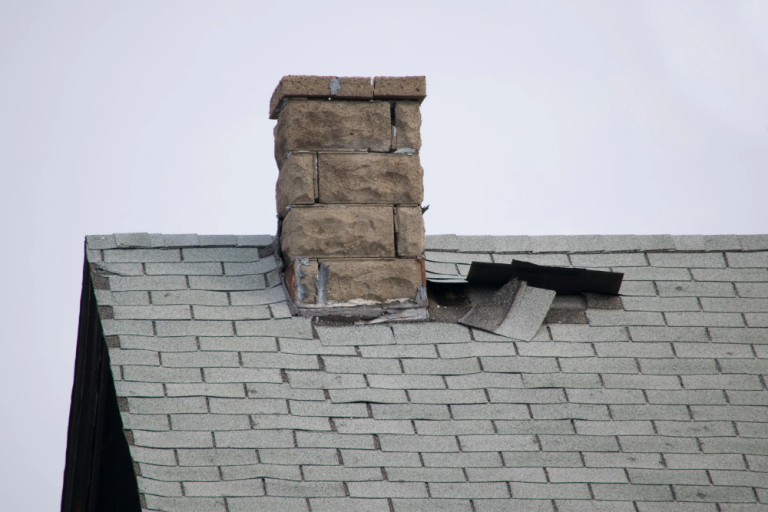
Shingles protect your roof from moisture, sunlight, and wind. Over time, asphalt shingles may crack, curl, loosen, or become dislodged because of aging, weather exposure, or improper installation.
Missing shingles leave the underlying roofing structure vulnerable to water penetration. Damaged shingles can also reduce your home’s curb appeal and potentially affect its value.
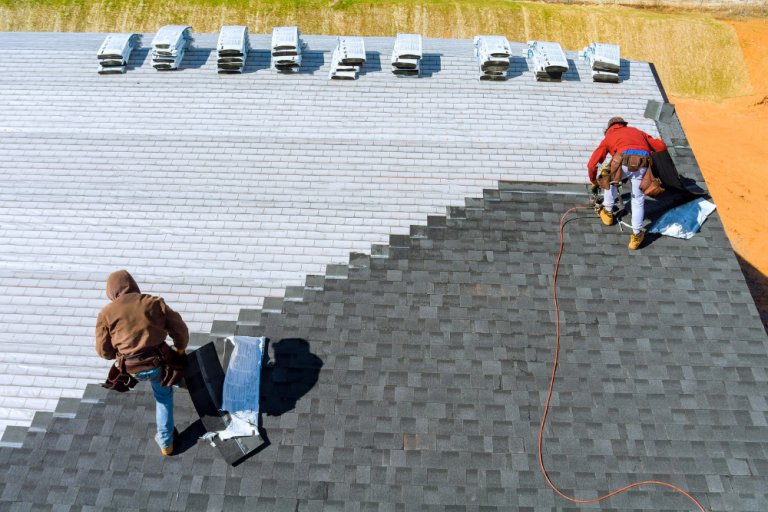
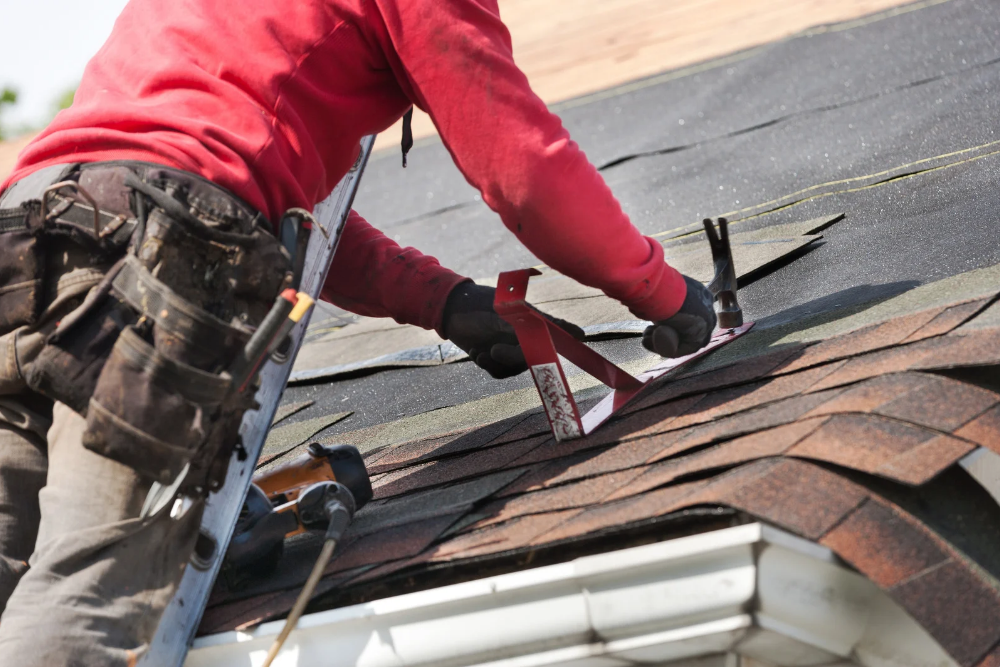
A professional roofer can assess the condition of your shingles and recommend suitable shingle roof repair solutions. Depending on the damage, repairs may involve replacing individual shingles, securing loose sections, or addressing underlying problems that caused the damage.
Timely repairs help preserve the roof’s protective barrier and may prevent the need for a more extensive replacement.
3. Poor Roof Ventilation
Proper ventilation helps regulate attic temperature and moisture levels. When a roof lacks adequate airflow, heat can accumulate in the attic during warmer California months. Excess moisture may also develop, potentially contributing to mold, wood deterioration, and premature roofing material failure.
Poor ventilation can increase cooling demands and place additional stress on your home’s roofing system.
Professional contractors can inspect attic airflow, evaluate existing vents, and identify ventilation problems. Depending on the roof design, improvements may include repairing blocked vents, adjusting ventilation openings, or recommending a more balanced ventilation system.
4. Cracked or Deteriorated Roof Flashing
Roof flashing is installed around chimneys, skylights, vents, valleys, and other roof transitions to direct water away from vulnerable areas. When flashing becomes loose, corroded, cracked, or improperly sealed, water can seep beneath roofing materials.
These problems are especially concerning because leaks around flashing may remain unnoticed until interior damage appears.
Experienced roofers can inspect flashing, replace damaged sections, and restore appropriate seals. Reliable roof leak detection also helps identify hidden moisture entry points before they lead to more costly repairs.
5. Ponding Water on Flat Roofs
Flat and low-slope roofs are common on certain residential and commercial properties throughout California. Although these roofs are designed to manage water, poor drainage can cause water to collect on the surface after rainfall.
Standing water can place additional stress on roofing materials, accelerate deterioration, and increase the risk of leaks.
Professional contractors can evaluate drainage systems, inspect the roofing membrane, and identify areas where water accumulates. Appropriate flat roof repair may include patching damaged membranes, correcting minor drainage issues, or recommending improvements to the roof’s slope where necessary.
Addressing drainage concerns promptly can help protect the building and improve the roof’s long-term performance.
6. Storm and Wind Damage
Although Long Beach enjoys a generally mild coastal climate, strong winds, seasonal storms, and occasional heavy rainfall can still damage roofing systems. Wind may loosen shingles, displace flashing, or carry debris onto the roof.
After severe weather, homeowners should look for visible signs of damage from the ground. Avoid climbing onto the roof, particularly when surfaces may be slippery or unstable.
Professional storm damage roof repair includes inspecting vulnerable areas, documenting damage, securing exposed sections, and replacing affected materials. A qualified contractor can also identify less obvious problems that might otherwise worsen during future rainfall.
7. Aging Roofing Materials
Every roofing system has a limited service life. Prolonged exposure to sunlight, temperature fluctuations, moisture, and general wear can gradually weaken roofing materials.
Older roofs may develop recurring leaks, brittle shingles, failing sealants, and deteriorated underlayment. When several problems occur together, homeowners may need to consider whether targeted repairs or a complete replacement would provide better long-term value.
Professional roof inspection helps determine the roof’s overall condition and identify areas that need attention. An experienced contractor can explain available options and recommend a practical solution based on the roof’s age, material, and extent of damage.
How Professional Roofing Contractors Protect Your Home
Hiring experienced roofing professionals offers several important benefits. First, trained contractors can identify the underlying cause of a problem instead of treating only its visible symptoms. This reduces the likelihood of recurring leaks and repeated repair expenses.
Second, professional roof maintenance can help homeowners detect minor issues before they become major concerns. Routine inspections, debris removal, drainage checks, and timely repairs all contribute to better roof performance.
Third, qualified contractors use appropriate materials and established installation practices. They can also explain repair costs, expected timelines, and whether replacement should be considered. Homeowners should verify licensing, insurance, warranties, and references before choosing a contractor in California.
At RoofReplacementLongBeach, prioritizing timely roof care helps homeowners make informed decisions about protecting their properties. Whether you are dealing with a small leak, damaged shingles, or storm-related deterioration, seeking professional guidance can help you choose the right approach.
Conclusion
Roofing problems can develop gradually or appear suddenly after severe weather. From leaks and damaged shingles to poor ventilation and drainage issues, even minor defects can threaten your home’s protection when ignored.
Investing in professional roof repair services helps identify problems early, restore damaged roofing components, and reduce the risk of expensive structural repairs. For homeowners in Long Beach and throughout California, regular inspections and prompt maintenance are practical ways to protect property value and extend roof life.
If you notice missing shingles, water stains, or other signs of roof damage, contact RoofReplacementLongBeach to discuss your roofing concerns and determine the most appropriate next steps.
Frequently Asked Questions (FAQs)
1. How do I know if my roof needs professional repairs?
Common warning signs include water stains on ceilings, missing or cracked shingles, damaged flashing, sagging areas, and recurring leaks. A professional inspection can determine the cause and recommend appropriate repairs.
2. How much do roof repairs cost in California?
Roof repair costs vary depending on the roofing material, extent of damage, roof accessibility, and labor requirements. Minor repairs generally cost less than extensive leak remediation or structural work. Request a detailed estimate before approving repairs.
3. How often should I have my roof inspected?
Many homeowners benefit from a professional roof inspection at least once a year, along with additional checks after significant storms or when damage is suspected. Your roof’s age, material, and local conditions may influence the ideal schedule.
4. Should I repair or replace my damaged roof?
The decision depends on the roof’s age, overall condition, extent of damage, and frequency of previous repairs. Localized damage on an otherwise sound roof may be repairable, while widespread deterioration may make replacement more practical. A qualified roofing contractor can assess both options and explain their long-term costs.