For business owners in California, a damaged or aging commercial roof can lead to costly repairs, water leaks, disrupted operations, and potential damage to valuable equipment. Whether you manage a retail store, office building, warehouse, or industrial facility, maintaining a reliable roofing system is essential for protecting your property and investment. If you are searching for commercial roof replacement near me, understanding the replacement process and choosing the right contractor can help you make a confident, cost-effective decision.
At RoofReplacementLongBeach, we understand the importance of durable roofing, professional workmanship, and dependable service. Before hiring a contractor, here is what every business owner should know about commercial roof replacement.
1. Know When Your Commercial Roof Needs Replacement
Commercial roofs experience constant exposure to sunlight, wind, rain, and temperature changes. Over time, these conditions can weaken roofing materials and reduce the roof’s ability to protect your building.
Some common warning signs include:
- Persistent roof leaks or water stains on ceilings.
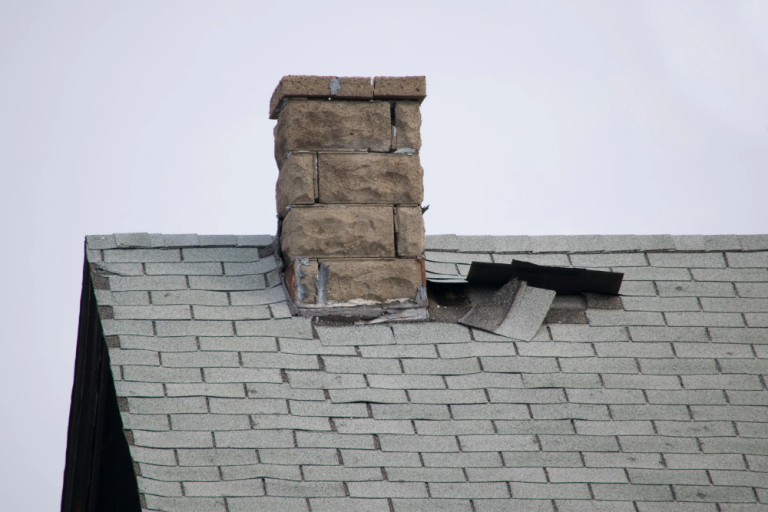
- Cracked, blistered, or deteriorating roofing materials.
- Standing water on flat or low-slope roofs.
- Rising energy bills caused by poor insulation.
- Damaged flashing around vents, drains, and rooftop equipment.
- Frequent repairs that no longer provide lasting results.
Although some issues can be resolved with targeted repairs, extensive damage may make a complete replacement the more practical long-term investment. A professional inspection can help determine the roof’s condition and identify the most suitable solution.
When researching commercial roof replacement near me, look for contractors who evaluate your existing roofing system before recommending a full replacement.
2. Choose the Right Commercial Roofing Material
Selecting the appropriate roofing material is one of the most important decisions in a commercial roofing project. The right option depends on your building’s design, budget, energy-efficiency goals, and maintenance requirements.
Popular options include:
- TPO roofing: Thermoplastic polyolefin is a popular single-ply membrane known for its reflective properties and energy-efficiency potential.
- EPDM roofing: This synthetic rubber membrane is commonly used on low-slope roofs and is valued for its flexibility and weather resistance.
- PVC roofing: PVC membranes offer strong resistance to moisture and certain chemicals, making them useful for some commercial and industrial facilities.
- Modified bitumen roofing: This multi-layer roofing system is frequently used on low-slope commercial buildings.
- Metal roofing: Metal systems can provide durability and longevity when properly designed and installed.
A knowledgeable contractor should explain the advantages, limitations, expected maintenance needs, and estimated costs of each suitable option. Comparing these details helps you choose a system that meets your property’s requirements.
3. Verify the Contractor’s License and Insurance
Before signing an agreement, verify that your contractor is appropriately licensed for the work in California. You can check the contractor’s credentials through the California Contractors State License Board (CSLB).
You should also request proof of general liability insurance and workers’ compensation coverage, as applicable. These protections help reduce potential risks associated with property damage and workplace injuries.
Ask prospective contractors about their experience with projects similar to yours. Commercial roofing requires specialized knowledge of drainage systems, insulation, flashing, rooftop penetrations, and building-specific requirements.
When comparing providers for commercial roof replacement near me, prioritize qualified professionals who communicate clearly, provide written estimates, and explain their installation process.
4. Request a Detailed Written Estimate
Commercial roof replacement costs vary depending on roof size, existing material, accessibility, structural conditions, insulation requirements, and disposal expenses. A detailed estimate allows you to compare contractors based on more than the lowest price.
Your proposal should clearly identify:
- Roofing materials and their specifications.
- Labor and installation costs.
- Removal and disposal of existing materials, if required.
- Insulation and moisture-barrier requirements.
- Flashing, drainage, and related components.
- Permit fees and other applicable expenses.
- Project timeline and payment schedule.
- Warranty coverage and exclusions.
Be cautious of unusually low bids that omit essential work or use vague descriptions. An incomplete estimate may lead to unexpected charges later.
For the best value, compare the total project scope, product quality, warranty terms, and contractor qualifications rather than choosing solely on price.
5. Understand California Building Codes and Permits
Commercial roofing projects in California may require permits, inspections, and compliance with applicable building and energy-efficiency requirements. The exact rules depend on the project’s scope, location, building type, and local jurisdiction.
Your contractor should explain which permits are necessary and clarify who will obtain them. Depending on the building and proposed work, requirements may involve roof assembly specifications, fire classifications, insulation performance, drainage, and structural considerations.
California property owners should also consider local weather conditions. In coastal areas such as Long Beach, roofing systems must be suitable for sun exposure, seasonal rainfall, and the property’s particular environmental conditions.
Before hiring a contractor, confirm that the proposed installation meets applicable requirements and that any necessary inspections are included in the project plan.
6. Ask About Scheduling and Business Disruptions
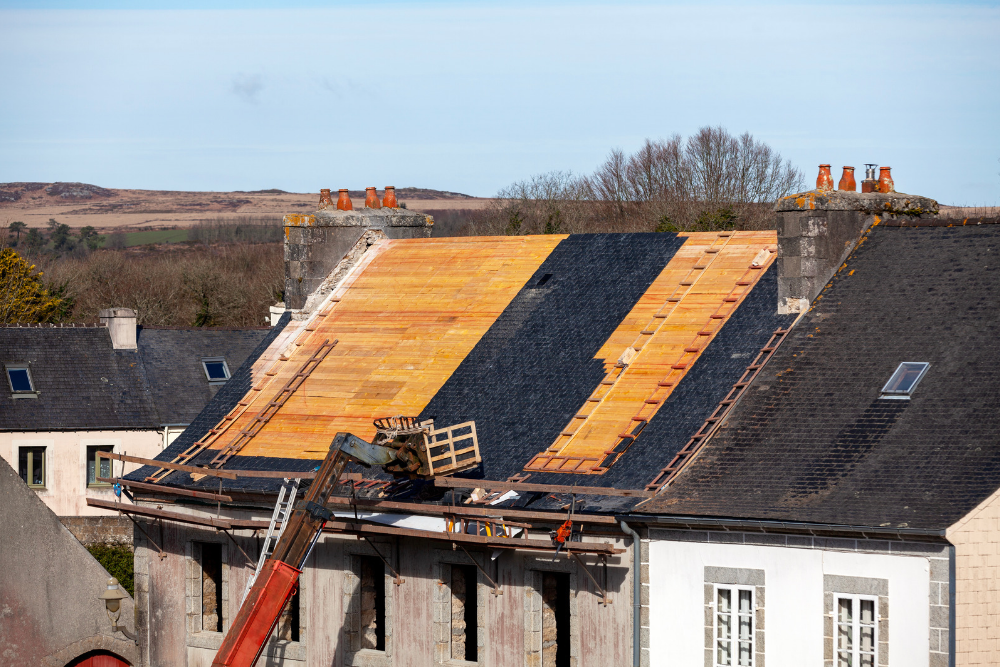
Replacing a commercial roof can affect employees, customers, deliveries, and daily operations. Therefore, project scheduling deserves careful consideration.
Ask your contractor how long the project is expected to take, whether work can be completed in phases, and what precautions will protect your building during installation.
An experienced team should discuss material delivery, debris removal, noise, access restrictions, weather delays, and temporary protection against water intrusion. Businesses that operate throughout the day may benefit from phased scheduling or work arranged around quieter operating periods, when feasible.
If you are evaluating commercial roof replacement near me, choose a contractor who understands the importance of minimizing downtime while maintaining safe working conditions.
7. Review Warranties and Long-Term Maintenance
A commercial roof is a significant investment, so understanding warranty coverage is essential. Roofing projects may include manufacturer warranties for materials and separate contractor warranties covering workmanship.
Read the terms carefully. Ask about coverage periods, exclusions, maintenance obligations, and procedures for reporting problems. Also confirm whether particular repairs or installation requirements could affect warranty validity.
After installation, establish a routine commercial roof inspection schedule. Regular inspections can identify drainage problems, loose flashing, membrane damage, and other concerns before they become expensive issues.
A proactive roof maintenance plan can help extend the service life of your roofing system and support more predictable maintenance budgeting. Keep inspection reports, repair records, and warranty documents in an accessible location.
8. Why Hire a Professional Commercial Roofing Contractor?
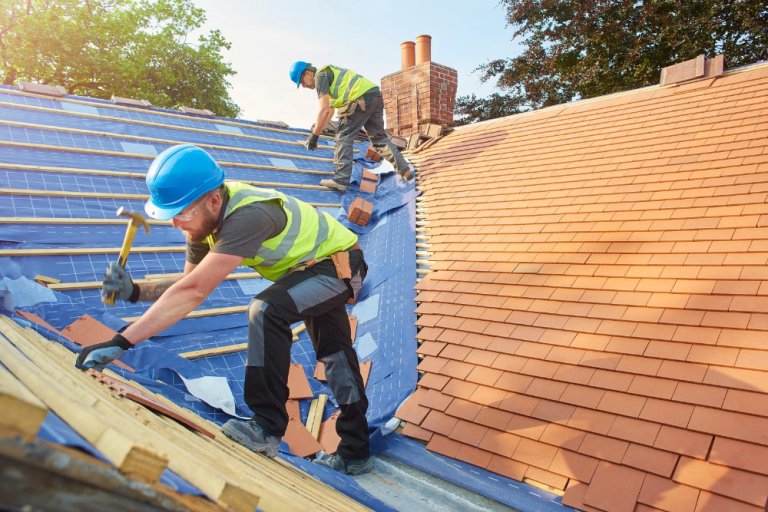
Professional installation helps ensure that roofing materials, insulation, flashing, and drainage components work together as intended. Experienced contractors can identify potential complications, recommend appropriate materials, and coordinate the project from inspection through completion.
For businesses in Long Beach and surrounding California communities, RoofReplacementLongBeach emphasizes the importance of informed planning, clear estimates, quality materials, and professional service.
When searching for commercial roof replacement near me, review references, examine previous commercial projects, confirm licensing and insurance, and compare written proposals. These steps can help you avoid unnecessary expenses and select a contractor who understands your property’s needs.
Final Thoughts
Replacing a commercial roof involves more than installing new materials. It requires careful planning, appropriate product selection, compliance with applicable regulations, realistic budgeting, and reliable workmanship.
By evaluating your roof’s condition, verifying contractor credentials, comparing detailed estimates, and understanding warranty requirements, you can make a more informed decision for your business.
If your commercial property needs a roofing assessment or replacement, RoofReplacementLongBeach can help you explore your options and understand the next steps. Investing in the right roofing system today can help protect your building, support business continuity, and reduce avoidable maintenance costs over time.
Frequently Asked Questions (FAQs)
1. How much does commercial roof replacement cost in California?
The cost depends on roof size, material selection, existing roof conditions, insulation, accessibility, and labor requirements. The best way to establish a realistic budget is to obtain detailed written estimates from qualified commercial roofing contractors.
2. How long does a commercial roof replacement take?
The timeline varies according to the building’s size, roofing system, weather conditions, and project complexity. Smaller projects may take several days, while larger or more complicated replacements can take several weeks or longer.
3. How do I find a reliable commercial roofing contractor near me?
Check California contractor licensing through the CSLB, request proof of insurance, review commercial project references, and compare written estimates. Ask about installation methods, permits, warranties, safety procedures, and expected completion dates before signing a contract.
4. Can I replace my commercial roof without interrupting business operations?
In many cases, contractors can reduce disruption through phased installation, careful scheduling, and temporary weather protection. However, the feasibility depends on your building’s layout, business activities, and roofing project requirements. Discuss an operational plan with your contractor before work begins.